Get Turf Block Installation in Denver County, CO
Turf Block Installation services help Denver property owners prevent erosion, improve drainage, and create durable, attractive surfaces for driveways, walkways, and outdoor spaces.
Property owners in Denver County, CO, considering turf block installation often seek practical solutions for enhancing outdoor spaces. Whether aiming to improve walkways, create durable patios, or add visual appeal to landscape features, working with experienced local contractors can help ensure the project meets specific needs. Exploring different service providers allows property owners to compare options, assess expertise, and find solutions tailored to the unique characteristics of Denver’s climate and terrain.
As planning a landscaping or hardscaping project, it’s important to evaluate the capabilities and experience of local contractors who specialize in turf block installation. Connecting with qualified service providers can help property owners understand available techniques and materials, making it easier to select the right approach for their outdoor environment. Continuing to explore local options can support informed decisions and successful project outcomes.
- Commercial properties - when businesses or organizations need durable, low-maintenance outdoor surfaces in areas like Denver neighborhoods.
- Residential yards - for homeowners seeking a sturdy and attractive ground cover to improve outdoor usability.
- Playgrounds and recreational spaces - when safety and stability are priorities for outdoor play areas in local parks or schools.
- Walkways and patios - to enhance outdoor pathways and entertaining areas with a reliable, long-lasting surface.
- Erosion control projects - during landscape restoration or slope stabilization efforts in Denver County communities.
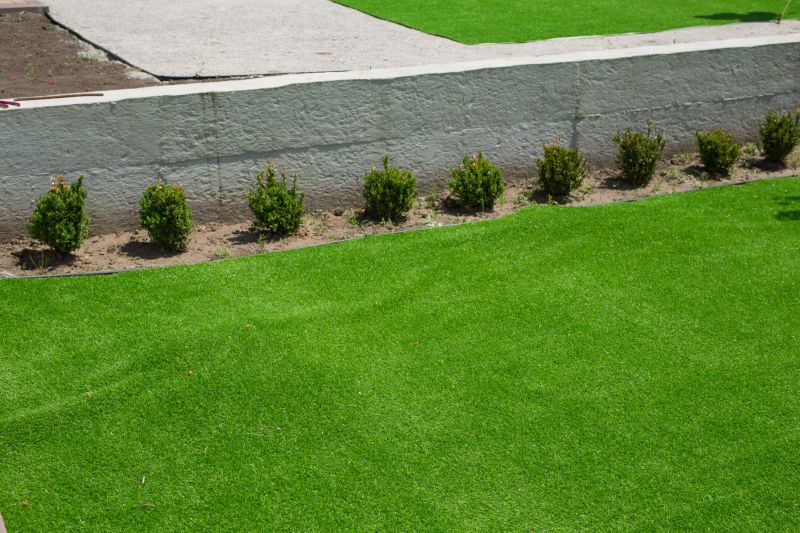
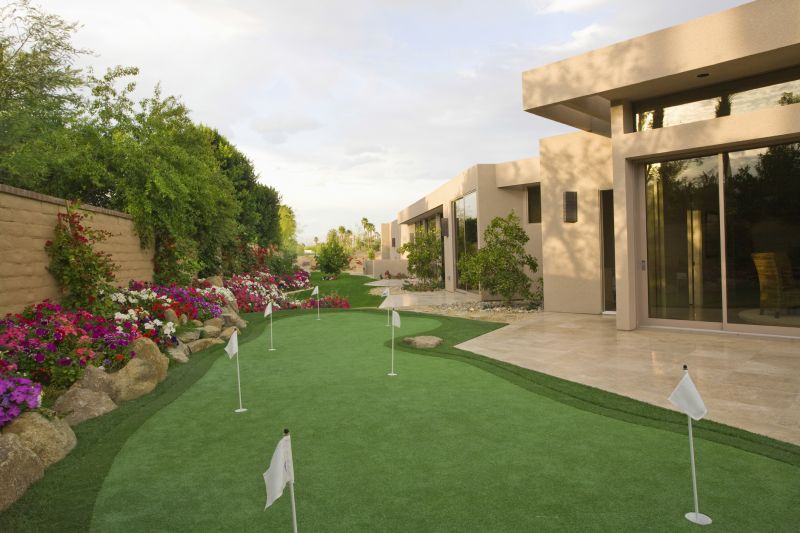
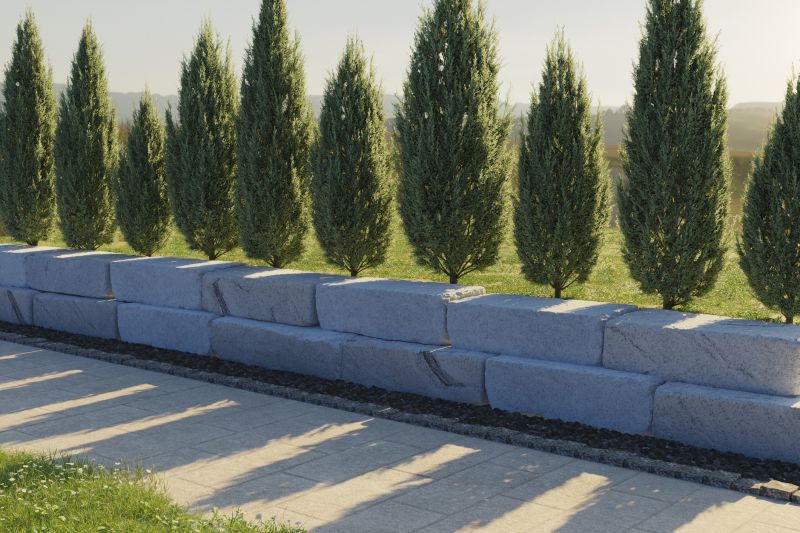
Turf block installation involves placing interlocking pavers made from durable materials into outdoor spaces to create stable, visually appealing surfaces. This service typically includes preparing the ground, laying a solid base, and carefully installing the turf blocks to ensure proper alignment and stability. The process often involves leveling the area, removing existing surface materials if necessary, and compacting the base to support foot traffic, vehicles, or other uses. The result is a resilient surface that enhances the functionality and appearance of driveways, walkways, patios, or outdoor seating areas.
This installation service helps address a variety of common property problems. It can prevent issues like uneven or cracked concrete, soil erosion, or muddy, unstable ground that becomes difficult to navigate during wet weather. Turf block surfaces allow for proper drainage, reducing the risk of standing water and related damage. Additionally, turf blocks can be easily replaced if damaged, making them a practical solution for properties seeking a low-maintenance, long-lasting surface that withstands regular use.
Properties that often utilize turf block installation include residential homes, commercial properties, and public spaces. Homeowners may choose turf blocks for driveways, garden pathways, or patios to improve curb appeal and functionality. Business owners might install them around storefronts or outdoor seating areas to create durable, attractive walkways. Public parks and community centers also use turf blocks for walkways, event spaces, or decorative features that need to endure frequent use and weather exposure. These surfaces are suitable for any property where a combination of strength, drainage, and aesthetic appeal is desired.
Homeowners in Denver County and nearby areas often turn to local contractors for turf block installation when seeking a practical way to upgrade outdoor surfaces. This service is ideal for those experiencing issues with unstable ground, drainage problems, or seeking to enhance outdoor aesthetics. It’s also a suitable choice for properties that require a durable surface capable of supporting outdoor furniture, vehicles, or high foot traffic. By connecting with experienced service providers, property owners can ensure the installation is done properly to meet their specific needs and improve the usability and appearance of their outdoor spaces.
The overview below groups typical Turf Block Installation projects into broad ranges so you can see how smaller, mid-sized, and larger jobs often compare in Denver County, CO.
In many markets, a large share of routine jobs stays in the lower and middle ranges, while only a smaller percentage of projects moves into the highest bands when the work is more complex or site conditions are harder than average.
Smaller Repairs - Typical costs for minor turf block repairs or patching range from $250 to $600. Many routine jobs fall within this middle range, with fewer projects reaching higher prices. Local contractors can often complete these within a few hours.
Standard Installation - Installing turf blocks for a small to medium-sized area usually costs between $1,200 and $3,500. Most projects in Denver County land in this range, depending on the size and complexity of the site. Larger, more detailed installations can push costs higher.
Full Replacement - Replacing an existing turf block surface can cost from $4,000 to $8,000 or more. These larger projects tend to be less common but involve significant labor and materials. Local service providers can provide detailed estimates based on specific site conditions.
Complex or Custom Projects - Custom turf block installations, such as intricate patterns or integrating drainage systems, often range from $5,000 to $15,000+. Many of these projects are specialized and may require additional planning, making costs vary widely based on scope and design complexity.
Actual totals will depend on details like access to the work area, the scope of the project, and the materials selected, so use these as general starting points rather than exact figures.
Paver Patio Installation - This project involves laying durable pavers which require similar planning, leveling, and surface preparation skills as turf block installation.
Landscape Edging Projects - Installing landscape edging involves precise placement and material handling comparable to setting turf blocks for defined outdoor spaces.
Driveway Resurfacing - Resurfacing driveways with concrete or asphalt shares planning and surface preparation techniques with turf block driveway installations.
Outdoor Flooring Installation - Installing outdoor flooring materials such as stone or brick involves similar skills in leveling and surface stability as turf block projects.
Retaining Wall Construction - Building retaining walls requires knowledge of materials and structural planning that can be applicable to turf block installation projects.
Garden Pathway Construction - Creating garden pathways with various materials involves similar layout planning and surface preparation as turf block pathways.
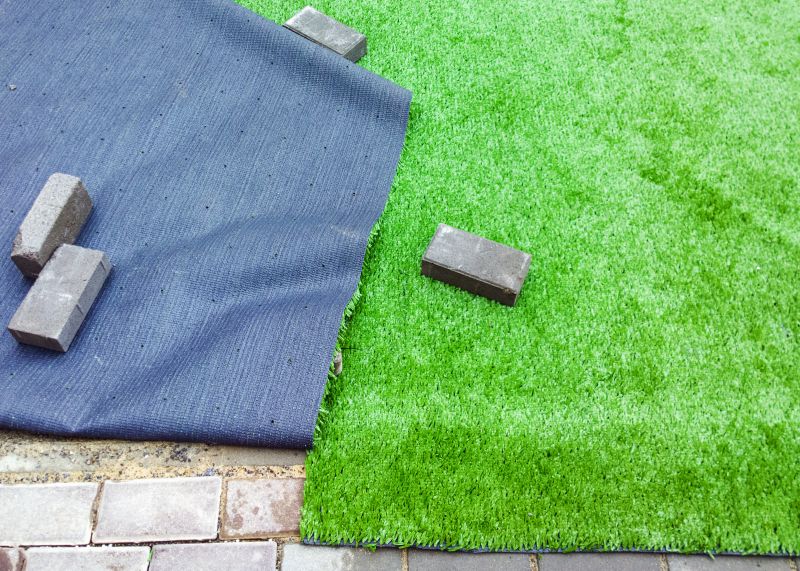
When evaluating service providers for Turf Block installation, it’s important to consider their experience with similar projects. Homeowners should look for local contractors who have a proven track record of completing turf block work in settings comparable to their own, whether it’s a residential yard, commercial space, or recreational area. Understanding a contractor’s background with comparable projects can provide confidence that they are familiar with the specific challenges and best practices associated with turf block installation, leading to a smoother process and a result that meets expectations.
Clear, written expectations are a key component when selecting a local contractor for this type of work. Homeowners should seek detailed descriptions of the services offered, the scope of work, and the materials to be used, all documented in writing. This helps ensure that everyone is aligned on project details, reduces misunderstandings, and provides a reference point throughout the project. Transparent communication from the outset can make the process more straightforward and help prevent surprises or disagreements down the line.
Reputable references and effective communication are essential indicators of a dependable service provider. Homeowners are encouraged to ask for references from previous clients who had similar turf block projects completed by the contractor. Listening to feedback about the contractor’s professionalism, reliability, and communication style can offer valuable insights. Good communication throughout the project-from initial contact to completion-ensures that questions are answered promptly and concerns addressed, fostering a positive working relationship. It’s important to remember that this site introduces homeowners to local options, rather than performing the work itself, making it a helpful resource for connecting with qualified service providers in the area.
Property owners in Denver County, CO use Turf Block Installation services for practical projects around their homes and businesses. This guide focuses on everyday jobs and straightforward project options.
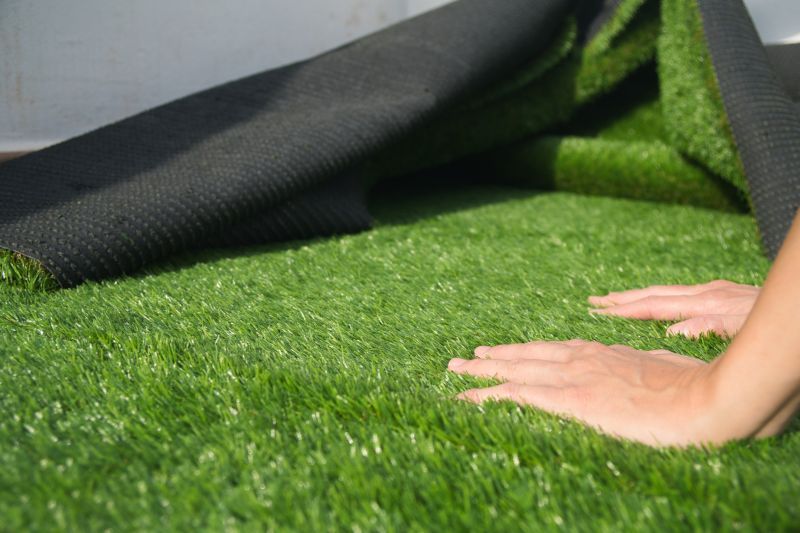
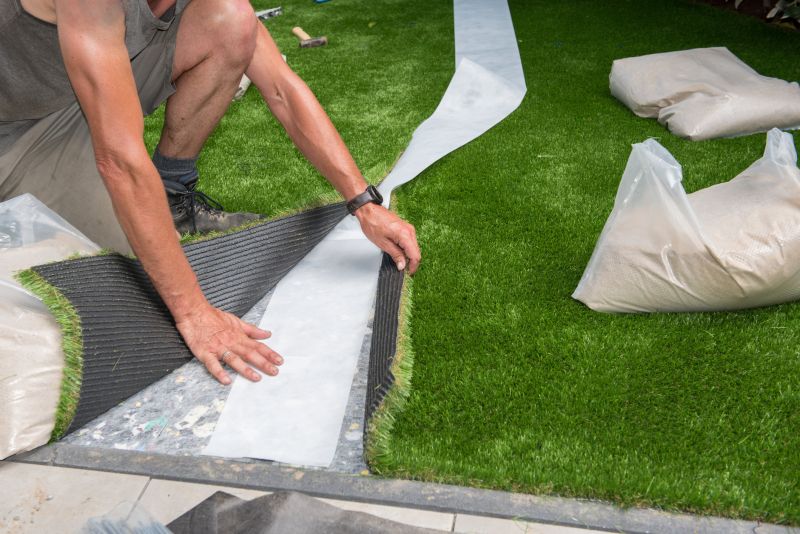
Turf block installation is often sought after by property owners in Denver County, CO, who want to improve the appearance and functionality of outdoor spaces. Whether it's creating a durable driveway, a stylish patio, or a practical walkway, local contractors can provide solutions that enhance curb appeal and withstand the area's weather conditions. Homeowners and business owners alike may look for these services when updating aging surfaces, preventing erosion, or adding a decorative touch to their yards and commercial properties.
In addition, property owners may turn to local service providers for turf block installation when planning new landscaping projects or renovations. This work can help manage drainage issues, define outdoor areas, or add a polished look to public and private spaces. Local contractors are equipped to handle projects of various sizes, making it easier for property owners across Denver County to find the right expertise for their specific needs.
What is Turf Block installation? Turf Block installation involves placing interlocking concrete or plastic pavers designed to support grass or other ground cover, creating a durable surface that allows for proper drainage and stability.
Where can Turf Block be used? Turf Block can be used in driveways, walkways, parking areas, and recreational spaces, providing a versatile solution for various outdoor surfaces.
What are the benefits of installing Turf Block? Installing Turf Block offers benefits such as improved drainage, reduced erosion, a natural appearance, and a sturdy surface suitable for foot and vehicle traffic.
How do local contractors typically install Turf Block? Local contractors prepare the base, lay the Turf Blocks in the desired pattern, and fill the gaps with soil or gravel to support grass growth and ensure stability.
How can I find local service providers for Turf Block installation? Interested individuals can contact local contractors specializing in outdoor surfacing to compare services and find options suitable for their project needs.
Garden Pathways - Installing turf blocks can create durable, attractive walkways through lawns or garden areas, making outdoor navigation easier.
Play Areas - Turf blocks can be used to build safe, stable surfaces for children's play zones or recreational spaces in residential yards.
Driveway Enhancements - Property owners might use turf blocks to improve the appearance and functionality of driveways or parking areas.
Erosion Control - Turf blocks can help prevent soil erosion on slopes or landscaped areas while adding a decorative touch.
If you are thinking about Turf Block Installation for a property in Denver County, CO, this guide is meant to help you understand the work, the typical project types, and how different options might fit your plans.
When you are ready, you can use the quote form on this page to share a few details about your project. From there, local pros can review the basics and respond with options that match what you have in mind.